The Greatest Sawa Ritual Festival
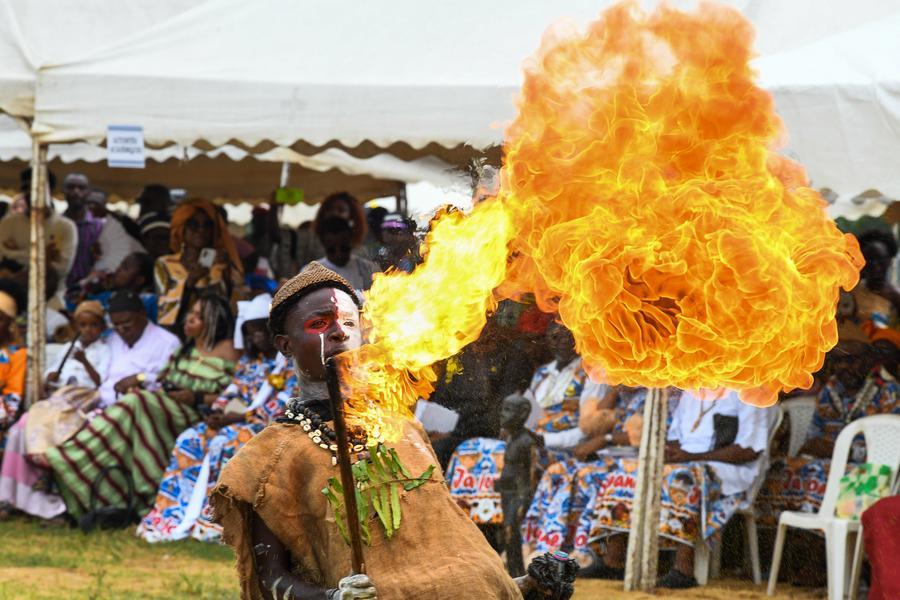
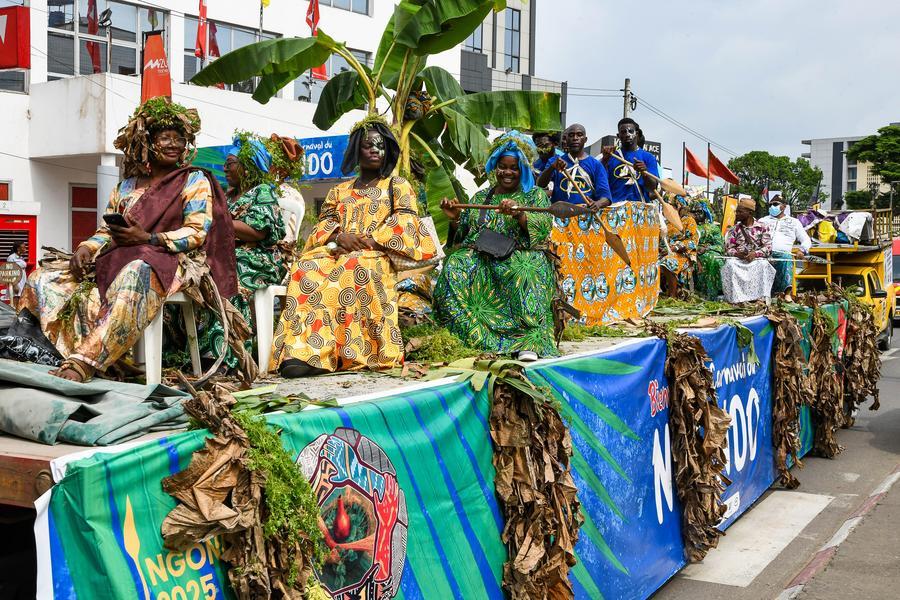
The Ngondo is the largest ritual, mystical and cultural festival of Cameroon's coastal peoples, known as the Sawa. Celebrated every year in Douala, this age-old event embodies the shared identity of these communities and seals the sacred bond between the living, the ancestors, and the water deities.
In recognition of its exceptional cultural value, the Ngondo is officially inscribed on UNESCO's Intangible Cultural Heritage of Humanity list, alongside the world's great cultural celebrations.
The festival runs each year from September to the first Sunday of December, culminating in a grand apotheosis on the banks of the Wouri River in Douala.
Unity, Memory and Spirituality
The Ngondo is far more than a festival: it is the annual assembly of the Sawa people. Originally, it was a solemn gathering of the Ancestors to deliberate on the community's great matters — war, peace, alliances. Decisions made during the Ngondo carried the force of law for all cantons.
Today, the Ngondo remains this unique space of cultural governance and social cohesion, where the Superior Chiefs of all Sawa cantons gather to invoke peace and prosperity. It is at once an act of remembrance, a rite of communion with the ancestors, and an affirmation of Sawa identity.
The Major Rituals
The Cult of the Water Oracles
The mystical heart of the festival. An initiated diver submerges to the bottom of the Wouri River to meet the water spirits (Mami Wata) and bring up a sacred vase. The predictions and ancestral messages contained within are decoded and read publicly in the Duala language.
Central ritualThe Assembly of the Sacred Hut
A closed-door meeting of the Superior Chiefs of all Sawa cantons to invoke social peace, inter-canton solidarity, and to bless the offerings made to the water deities of the Wouri.
Sawa ChiefsThe Purification Bath
A mystical protection ritual using sacred bark and ritual waters to purify athletes, dignitaries and paddlers before sporting events and public ceremonies.
Protection